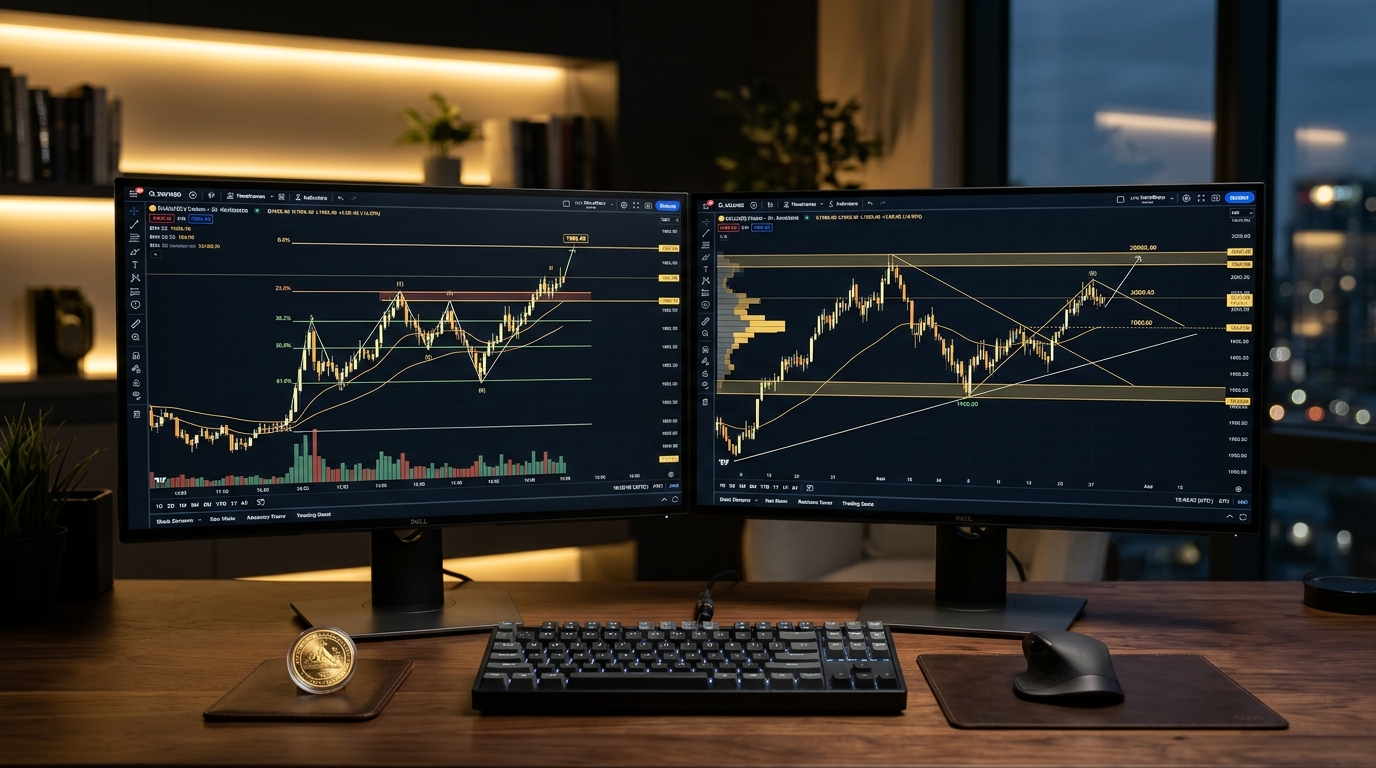

Gold is a trading instrument influenced by various fundamental and technical factors. Understanding these key factors can help traders make more measured decisions and avoid impulsive choices.
## Macroeconomic Factors
### Interest Rates and Inflation
High interest rates make yield-bearing instruments (such as bonds and deposits) more attractive compared to gold, which provides no income. Conversely, low interest rates increase gold's appeal as a store of value.
High inflation erodes currency purchasing power, prompting investors to seek assets that preserve value. Gold has historically functioned as a hedge against inflation.
### Economic Growth
Strong economic growth typically strengthens currencies and reduces gold's appeal as a safe-haven asset. Conversely, slowing growth can increase demand for safe assets like gold.
## Central Bank Monetary Policy
Decisions by the Federal Reserve (US), European Central Bank (Europe), and other central banks significantly influence gold's movement. Market expectations regarding monetary policy, particularly interest rates, can drive or limit gold price increases.
## US Dollar Movement
The US dollar and gold have a strong inverse relationship. When the dollar strengthens, gold becomes more expensive for holders of other currencies, reducing global demand. Dollar weakness supports gold price increases.
## Market Sentiment and Risk Appetite
When investors have high risk appetite, they tend to shift to risky assets (such as stocks). When risk appetite declines due to uncertainty, investors seek safe assets, including gold.
## Geopolitical Factors
Geopolitical tensions, conflicts, or political uncertainty can trigger flight to safety, increasing gold demand.
## Learning Tips
1. **Monitor major economic news** – Particularly inflation data releases, employment figures, and central bank statements.
2. **Study the economic calendar** – Know the schedule of important data releases and consensus expectations.
3. **Don't rely on a single factor** – Gold prices are influenced by a combination of factors, not just one.
4. **Leverage technical analysis** – Combine fundamental understanding with chart analysis for more solid decision-making.
5. **Manage risk with discipline** – Use stop losses and avoid over-leveraging.
## Disclaimer
This article is for educational purposes only. Gold trading involves high risk. Always conduct independent research and consult experts before making investment decisions.
Risk disclaimer: all content on this site is provided for educational purposes and is not financial advice, signals, an invitation to trade, or a promise of profit. Trading carries a high risk and may result in the loss of part or all of your capital. Check the legality of service providers in your jurisdiction.